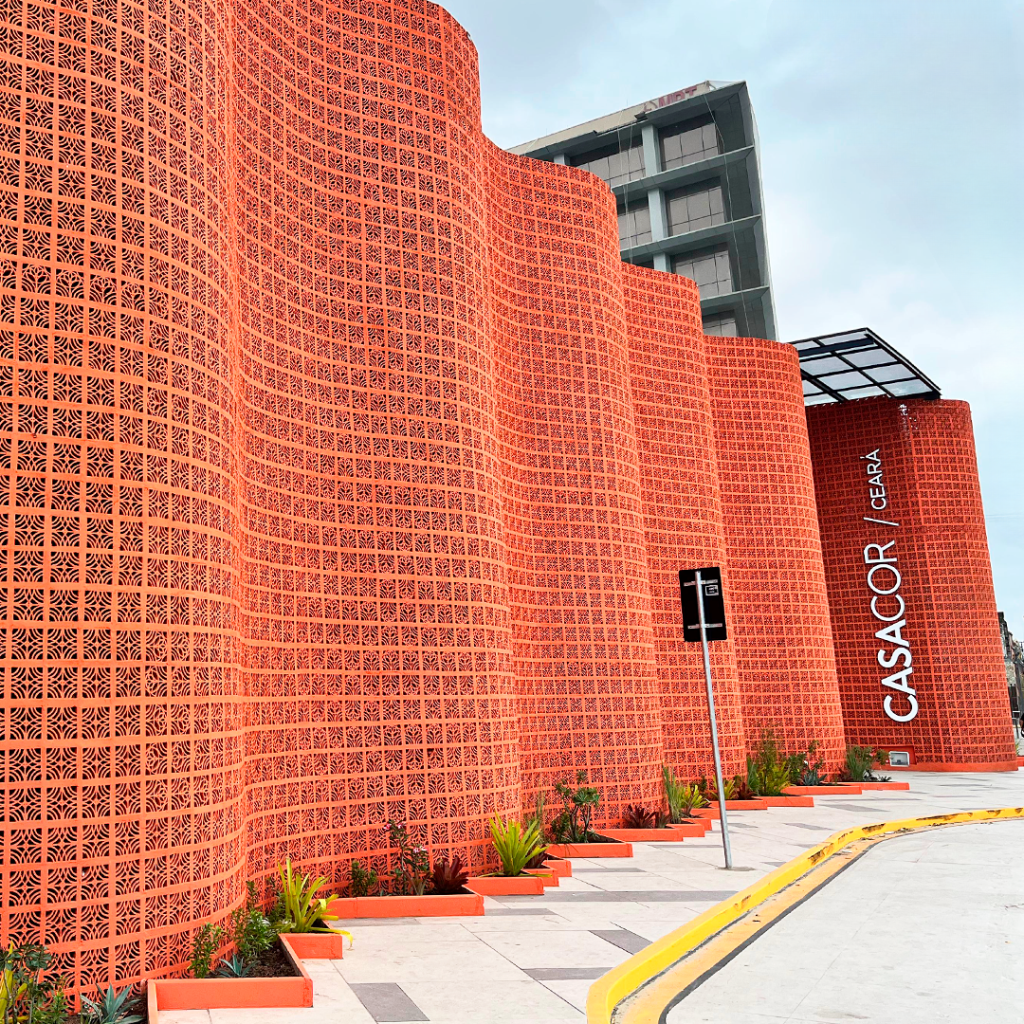
Sustainable architecture, also known as green architecture or ecoarchitecture, is a design approach that aims to minimize the environmental impact of buildings throughout their entire life cycle, from conception to demolition.
In this category, different types of materials are used that promote greater energy efficiency and reduce the environmental impact of construction. Always attentive to sustainability practices, Cerbras, a Ceará company that is a national reference in high-end flooring and coverings, produces porcelain tiles considered 46% sustainable, reusing granite dust collected during extraction and which would be discarded by partner industries.
According to architect Luiz Deusdara, who will participate for the fourth time at CASACOR Ceará, signing four environments: “the choice of materials in sustainable architecture aims not only to reduce the environmental impact during construction, but also throughout the life cycle of the building, optimizing the use of natural resources and providing the well-being of people and the planet”.
The professional reinforces that in this edition of the Ceará exhibition, models of different patterns and sizes will be used. “Today, Cerbras produces porcelain tiles with the highest quality and it is a joy for all of us architects to have, here in the state, an industry with this level of excellence. The idea for this year's exhibition is to use a floor with dynamic layout, giving the user the feeling of walking through a work of art”, he highlights.
The architect highlights some of the most common materials used in sustainable architecture, which include: reforested wood, concrete, glass and recycled metals; natural insulation; environmentally friendly paints and finishes; modular building materials; raw earth materials and integrated sustainable technologies.
“The adoption of sustainable architecture is a commitment to the present and future generations. Nature is our best teacher, by observing its patterns, we can create more resilient and efficient buildings, which interact with the natural environment. It’s time to rethink the way we build and inhabit the Earth”, concludes Deusdara.